

VIDEO & CENTER
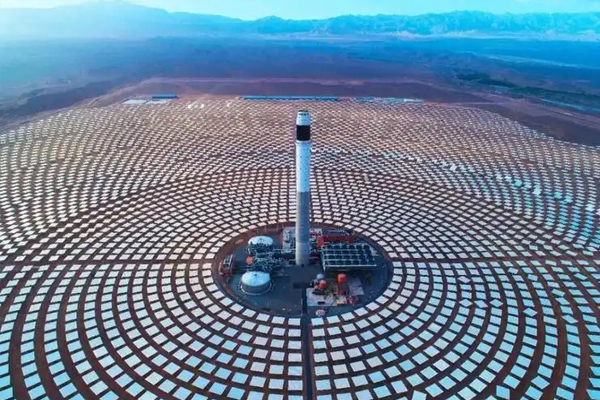
On November 18th, it was reported that according to the 2025 industry report released by the Arab Investment and Export Credit Guarantee Company (Dhaman), Morocco ranked second among Arab countries in terms of the attractiveness of foreign direct investment in the renewable energy sector, trailing only Egypt (accounting for 45.9%). From 2003 to 2024, Morocco attracted $38.1 billion in foreign investment in the renewable energy sector, accounting for 11% of the total foreign investment in this sector in Arab countries. 55 major projects were implemented, creating 12,267 jobs.
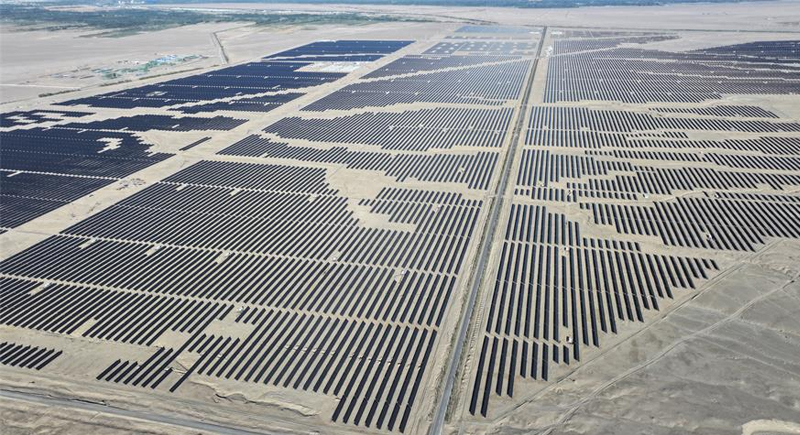
In terms of power generation, Morocco is expected to produce 43 billion kilowatt-hours of electricity in 2025, ranking ninth among Arab countries. Although thermal power (oil, natural gas and coal) still constitutes the main source of energy in Morocco, accounting for 28.7 billion kilowatt-hours, renewable energy has gained an important position. Among them, wind power has performed particularly well, generating 9.2 billion kilowatt-hours of electricity annually, solar power generates 3.7 billion kilowatt-hours, and hydropower generates 1.2 billion kilowatt-hours. The report particularly emphasizes that Morocco has achieved 100% coverage of energy services nationwide, joining the other 12 Arab countries in the category of universal electricity access. In terms of consumption, Morocco's annual consumption is 39.2 billion kilowatt-hours, also ranking ninth among Arab countries. According to the forecast, by 2030, Morocco's electricity consumption will increase to 44.3 billion kilowatt-hours. The per capita electricity consumption is at a medium level, ranking 14th among Arab countries, at 1,100 kilowatt-hours per person, which is much lower than the average level of Arab countries (8,600 kilowatt-hours per person).